Learning to crochet can feel overwhelming at first, but with a few fundamental tips and resources, you’ll be off to a great start. One of the first skills to master is understanding how to read a pattern.
Common Crochet Abbreviations
Crochet patterns use abbreviations to save space and simplify instructions. Here are a few of the most common:
- CH – Chain Stitch
- Sl St – Slip Stitch
- SC – Single Crochet
- HDC – Half Double Crochet
- DC – Double Crochet
- TC – Triple (or Treble) Crochet
- SK – Skip
- SP – Space
For a more extensive list of crochet abbreviations, click here.
US vs. UK Crochet Terms
One important thing to note: crochet terminology can differ depending on whether the pattern uses US or UK terms. Though similar, the stitch names actually mean different things. Always check which system your pattern follows. Here’s a helpful conversion chart.
Choosing the Right Yarn
Patterns often recommend a specific brand or type of yarn. If it’s unfamiliar, Google the yarn name to learn its weight and how many yards are in a skein. Yarn is categorized by weight (like worsted, bulky, etc.), and while you don’t always need the exact brand, sticking with the same weight category is important.
Check out this guide to yarn categories from the Craft Yarn Council.
Understanding a Crochet Pattern
Every pattern has a few essential components. Here’s what to look for:
- Title and Photo – Gives you a visual of the finished item.
- Finished Size – Tells you how big it should be.
- Yarn and Hook Info – Lists what yarn and hook size to use.
- Special Stitches – Any stitches used beyond the basic ones.
- Gauge – Indicates how many stitches and rows should fit in a 2” or 4” square. This is especially important for wearables. If your gauge doesn’t match the pattern, try adjusting your tension, hook size, or yarn type.
- Skill Level – Patterns are usually labeled Beginner, Easy, Intermediate, or Advanced. Start with Beginner or Easy patterns!
Beginner Pattern Examples
Here are a couple of excellent beginner patterns to try:
- Simple Washcloth Pattern from Yarnspirations – Includes stitch instructions and row counts.
- Easy Griddle Stitch Washcloth – A great starter project with a basic stitch repeat.
- Crochet Dish Cloth Pattern – Etsy – My own design for a beautiful Dish Cloth.
Learning by Doing (and with Others!)
While YouTube is a fantastic resource (and I’ve used it many times myself), nothing compares to learning alongside a real person. An experienced crocheter can answer your questions, correct mistakes, and offer encouragement in real time.
When I moved to South Carolina, I joined a local crafting group. We’re called the Fiber Artists of Rock Hill—a small, welcoming group of crocheters, knitters, weavers, embroiderers, and some who sew, (photo of a few of us below). Whether you’re brand new or just need a little help, it’s incredibly valuable to be surrounded by people who understand the craft.
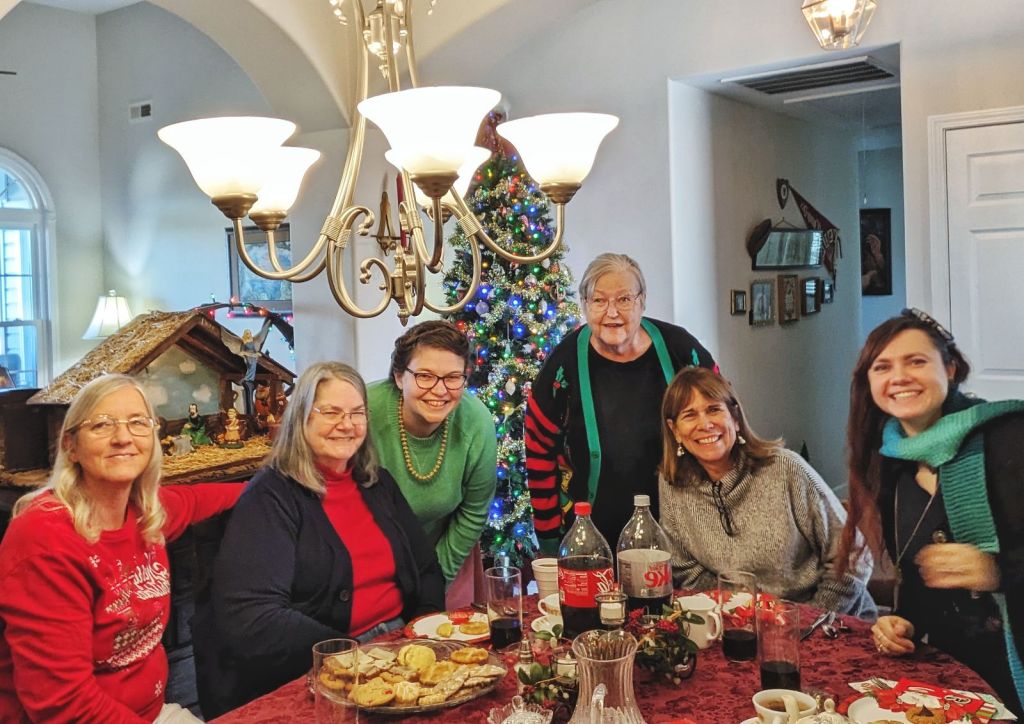
If you’re just getting started, I highly recommend checking your local community centers, libraries, or yarn shops for crochet or crafting groups. You’ll learn faster, build confidence, and have a lot more fun along the way!
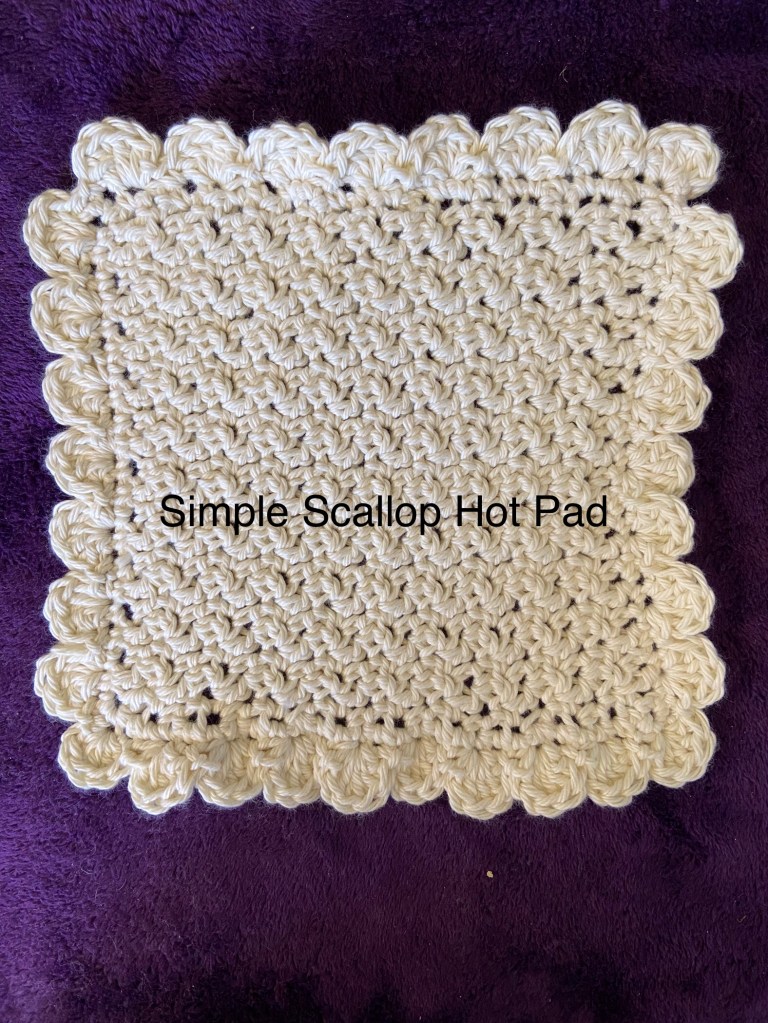
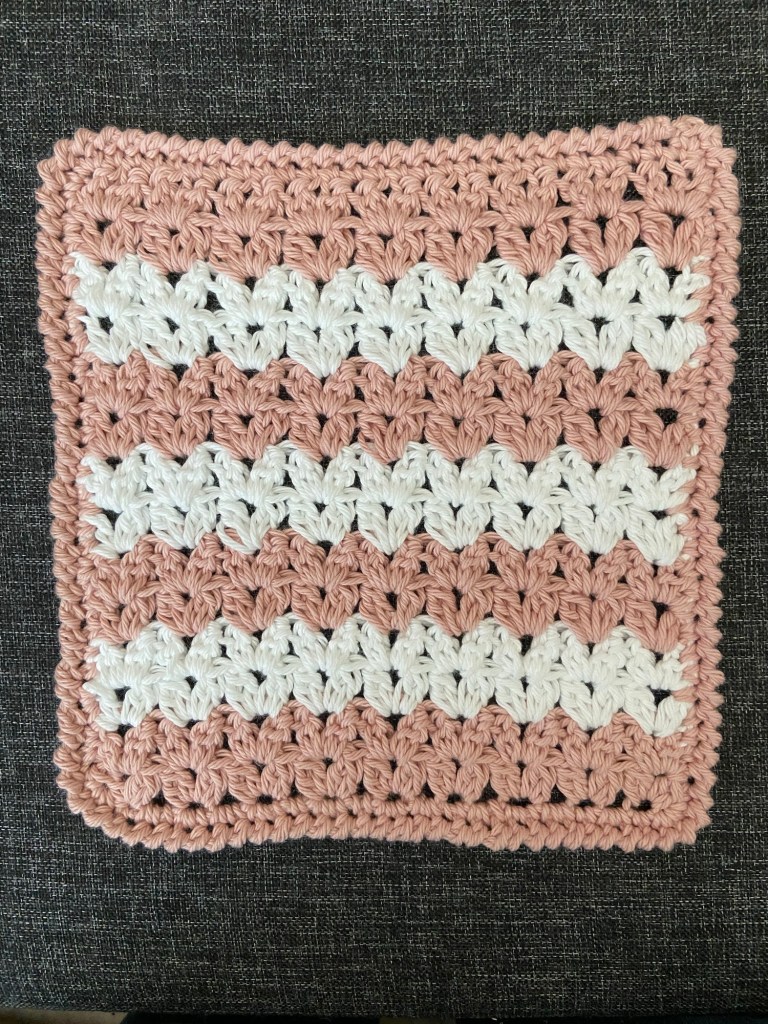
Here are a three Potholder/Dishcloth Patterns I’ve made. The first two can be found at DaisyFarmCrafts.com. The last one is my own design and can be purchased through Etsy.


 Mindy’s Crochet Moments
Leave a comment